Navigating the Wine Landscape: Understanding Arabian Laws and Regulations for Viniculture
Navigating the intricacies of viniculture in the Arabian Peninsula is akin to exploring a maze filled with diverse pathways and hidden doors. For enthusiasts of wine, the allure of grape beverages draws them in, yet the complexities of alcohol legislation can quickly lead to confusion. How does one gain clarity amid the multifaceted landscape of Arabian laws governing alcohol? This question resonates not just with wine producers, but also with consumers eager to understand the legal framework for wine in a region steeped in rich cultural history and strict regulations.
The narrative of alcohol consumption laws in the Middle East is as nuanced as the finest vintage. In several countries within the Arabian Peninsula, intoxicating liquids like wine are subject to rigid controls that differ widely from one nation to another. One compelling truth emerges: the wine market legislation is not only about numbers and exports but painted by cultural aspects and religious considerations. As you delve deeper, you'll discover a cacophony of voices attempting to make sense of the alcohol supply laws and how they interact with local customs. Are these regulations stifling or nurturing the wine industry? The answer often lies in the perspective of the listener.
Imagine a thriving vineyard, lush with grapes, yet hemmed in by strict wine production laws. The initial enthusiasm can quickly dwindle once one starts to grapple with the wine licensing requirements. The wine trade regulations might appear to some as barriers, while others see them as protective mechanisms for their cultural identity. Regardless of one’s stance, an understanding of wine distribution regulations is crucial for compliance in the wine industry. As a producer, how do you navigate these legal frameworks while ensuring that your bottle of wine resonates with both the local palate and the global market?
A key component to unraveling the complexities of Arabian laws is understanding the balance between tradition and modernity. The region is witnessing a gradual shift as the cultural perception of wine changes, leading to emerging opportunities in the wine export regulations. Have you ever pondered how these alcohol trade agreements shape not just the economics of the wine market but also the cultural narrative around a beverage long seen as taboo? It is in this intersection where new stories are being created, and where the potential for growth lies.
In closing, the journey through the Arabian Peninsula's laws governing alcohol is akin to tasting a fine wine — it unfolds over time, revealing depths of flavor that one must appreciate fully. For anyone fascinated by the wine industry, understanding wine labeling regulations, along with regional wine laws, becomes essential. The next time a bottle crosses your path, reflect on the intricate dance of legislation and culture that brought it to your table. Will you embrace the complexities of these laws and join in the growth of emerging wine cultures in the region, or will you let the intoxicating allure of the grape beverage slip through your fingers?
A Comprehensive Guide to Compliance and Best Practices in Viniculture
When we think of wine, we often picture sprawling vineyards, rich aromas, and the joy that a well-aged bottle can bring. However, in the rich tapestry of the Middle East, viniculture takes on unique hues, shaped by a complex matrix of Arabian laws and regulations. How can wine enthusiasts and producers navigate these legal waters? This comprehensive guide to compliance and best practices in viniculture aims to break down the legal framework for wine, making the grape beverage not just a luxury but a culturally significant, respected elixir in the region.
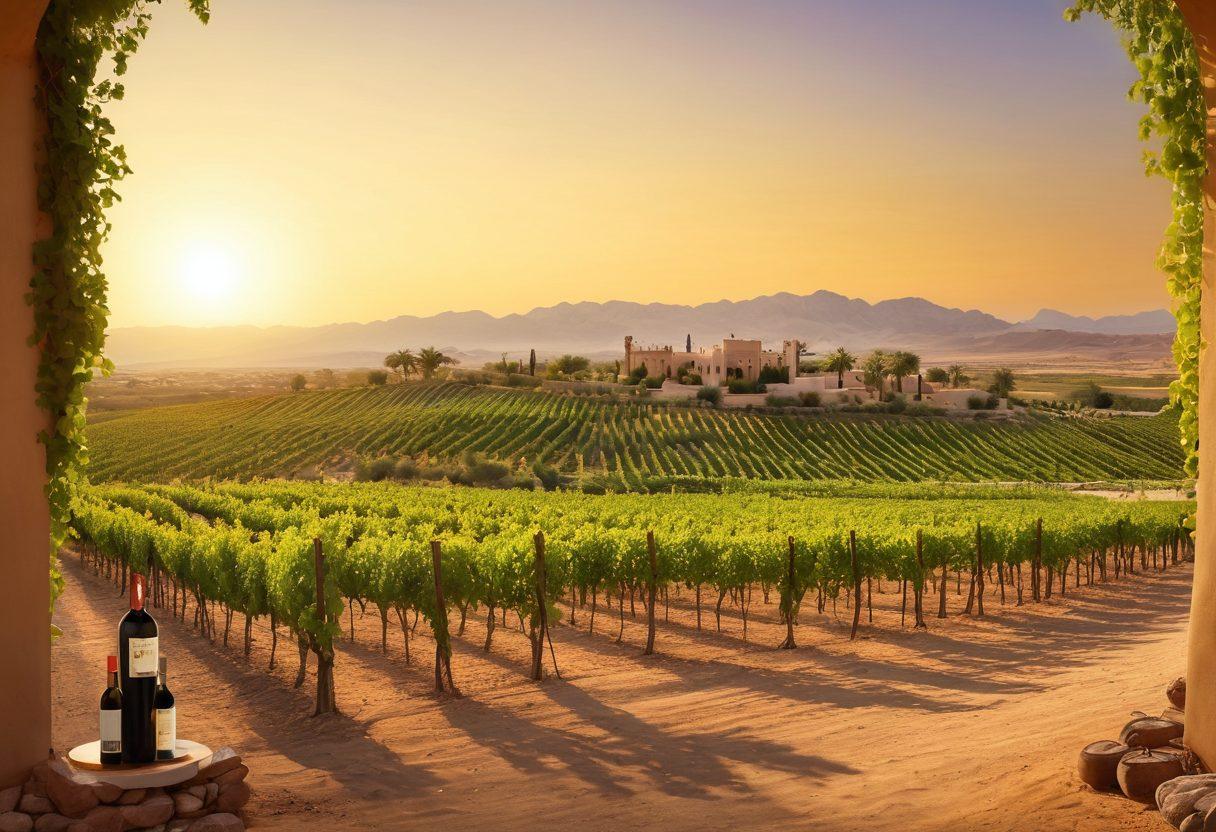
Imagine walking through sun-drenched vineyards, the scent of freshly crushed grapes wafting through the air. Here, producing quality wine isn’t just an art; it’s a dance with laws governing alcohol. The intricate alcohol legislation in the Middle East presents both challenges and opportunities. With so many legal nuances—from wine production laws to wine distribution regulations—it can feel daunting. As a producer or enthusiast, have you ever wondered how to balance creativity in winemaking with the demands of compliance in the wine industry?
The landscape of the wine market legislation in the Arabian region requires not just knowledge but a keen sense of adaptability. For example, the alcohol licensing process varies across countries. Are you aware that securing your liquor laws necessitates thorough understanding of local cultural aspects of wine? Consider the diverse attitudes towards alcohol consumption laws across different Middle Eastern nations; it’s crucial to factor in these cultural sensitivities as they influence everything from marketing to distribution.
Let’s reflect: what does compliance in the wine industry truly mean? It encompasses a wide range of elements including wine export regulations, regional wine laws, and wine labeling regulations. For instance, if you plan to enter the international wine trade, understanding the alcohol trade agreements is key. This insight enables producers to safely navigate the regulations while maintaining the quality and integrity of their product. Wouldn't it be more fulfilling to know that every bottle you produce respects both the law and the land?
Ultimately, the journey of viniculture in the Arabian Peninsula is one of passion, legality, and cultural identity. It’s more than just creating an intoxicating liquid; it’s about forging a legacy. Whether you're a seasoned winemaker or a curious consumer, the knowledge of wine policy and compliance can transform your approach to wine. So, will you raise your glass to not only savor the taste but to celebrate the story—one rooted in tradition, legality, and a newfound appreciation for the complexities of wine in the Middle East?
Exploring Cultural Influences on Wine Production and Distribution in the Middle East
The Middle East is a complex tapestry of culture, tradition, and law, where the intoxicating liquid we call wine has a unique place. As an ancient beverage that has found a niche in the modern world, wine often finds itself at the crossroads of tradition and legal restriction. For those wishing to navigate the wine landscape in this region, understanding the cultural influences on wine production and distribution is key. How do these cultural elements shape the laws governing alcohol, and what implications do they have for viniculture? Let’s uncork this intriguing topic and pour ourselves a glass of knowledge.
Imagine the bustling markets of the Middle East, where the aroma of spices mingles with that of ripe grapes. Here, the cultural aspects of wine spill over into everyday life—yet they do so within a framework defined by laws and regulations. Regional wine laws can vary drastically, from the strict prohibitions on alcohol consumption in some countries to more lenient approaches in others. When it comes to the complexity of the wine trade, it is vital for anyone involved, from producers to retailers, to grasp the legal framework for wine that operates within these jurisdictions. What does it mean for those seeking to enter the wine market?
In many ways, the story of wine in the Middle East is one of resilience and adaptation. Countries with a rich viniculture history, such as Lebanon, have paved the way for a modern interpretation of wine production laws. Yet, obstacles remain. Alcohol legislation sets the stage for compliance in the wine industry, impacting everything from alcohol licensing to wine labeling regulations. Imagine a vineyard in the Bekaa Valley, nurturing its grapes, but hampered by regional compliance issues. How do local winemakers reconcile their heritage with the constraints of modern alcohol trade agreements?
Digging deeper into the politics of wine, consider how cultural influences permeate the alcohol supply laws. Here, religious beliefs intersect with commercial interests, creating a negotiation of what can be produced, distributed, and consumed. Questions arise: How do local customs shape wine distribution regulations? What role do public perceptions of alcohol play in shaping wine export regulations? These inquiries compel us to reflect on how far the legal landscape has evolved in balancing tradition with the growing demand for quality Arabian wine.
Ultimately, understanding the wine market legislation in the Middle East is not just about the laws themselves; it’s about the stories behind them. The journey of a grape beverage from vineyard to a local table is marked by cultural narratives, legal battles, and a quest for identity in a world at times wary of alcohol. As we uncork these stories and sip the knowledge they bring, we recognize that the path to thriving in the wine industry is paved with an appreciation for both cultural nuances and the intricate maze of regulatory compliance. Whether you’re a seasoned winemaker or new to the grape game, there’s an entire landscape waiting to be explored through the lens of Arabian laws and cultural influences on wine.